
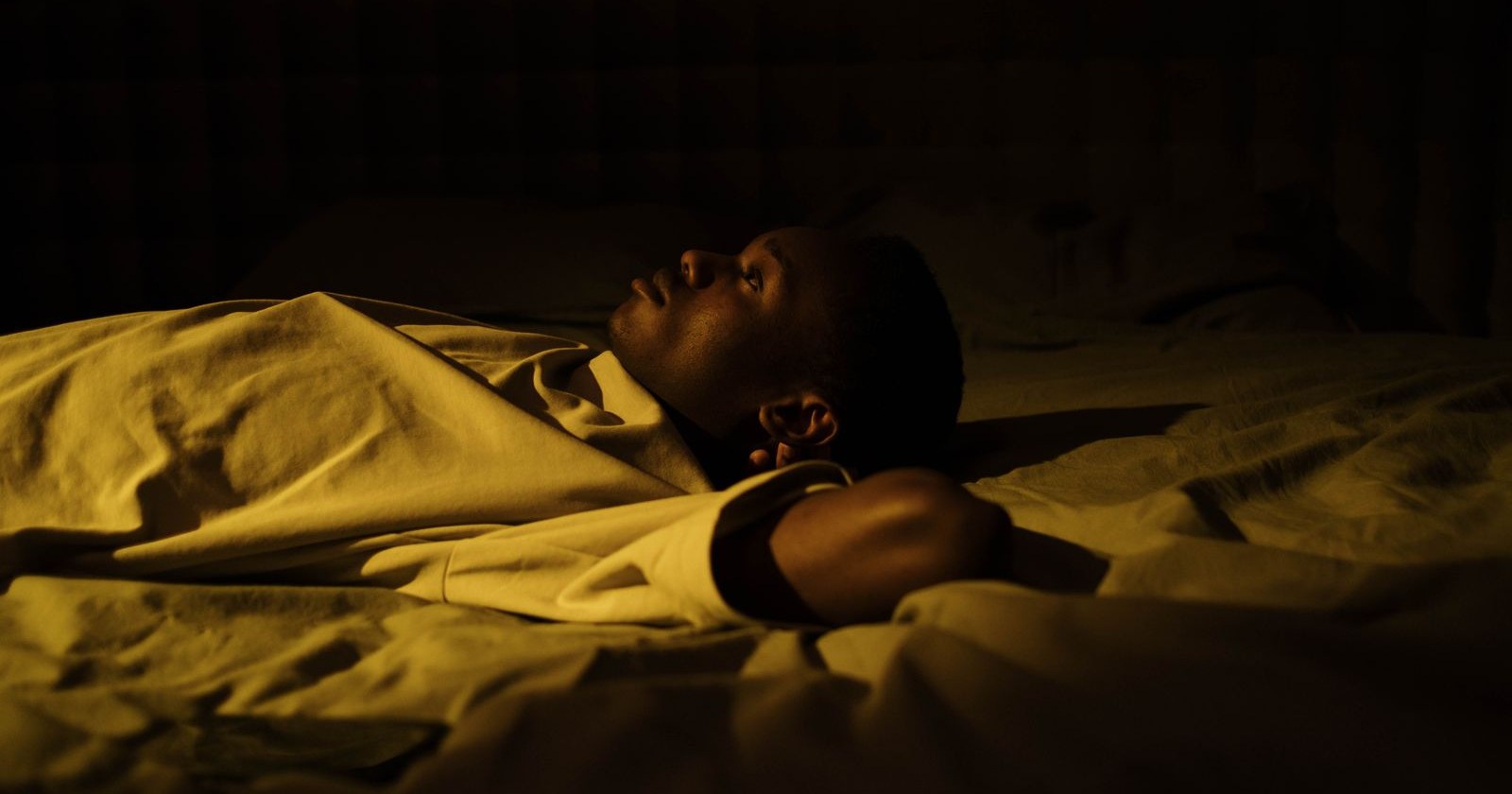
Near the end of his essay On Anger, Seneca describes what happened in his house each night. "When the lamp is taken out of my sight, and my wife, who knows my habit, has ceased to talk, I pass the whole day in review before myself, and repeat all that I have said and done: I conceal nothing from myself, and omit nothing" (On Anger 3.36, Aubrey Stewart's translation).
It's one of the most personal moments in his writing. Seneca became one of the richest and most powerful men in Rome, an adviser to the emperor Nero. But at the end of the day, in the dark, he held himself to account like anyone else.
Here's where the habit came from, what Seneca used it for and why he thought it was worth doing every night.
Where the habit came from
Seneca didn't invent the nightly review. He credited it to Sextius, a Roman philosopher whose school blended Stoic and Pythagorean ideas. "It was the custom of Sextius when the day was over, and he had betaken himself to rest, to inquire of his spirit: 'What bad habit of yours have you cured to-day? what vice have you checked? in what respect are you better?'" (3.36).
The practice is older still. Epictetus, teaching about half a century after Seneca, quoted lines from the Pythagorean tradition that describe the same routine. Before sleep, they say, go over each of the day's actions from first to last, noting what was done badly, what was done and what was left undone. Then blame what was wrong and, just as important, "in what is right rejoice" (Discourses 3.10, George Long's translation).
Epictetus introduced the verses with a practical point. People need the right ideas ready at the right moments: "in the bath, those that concern the bath; in bed, those that concern bed." For several ancient schools, bedtime was the moment for looking back.
What he reviewed
Seneca's review covered everything he had "said and done." He didn't limit it to big decisions or obvious mistakes. The point was to look at the whole day honestly, including the small moments most people forget by evening.
The challenge was to include the moments he would rather excuse or forget. An honest review meant examining his own contribution to an argument, including when he believed he was right.
In practice, that might mean noticing the curt reply to a colleague, the promise that slipped, the conversation where you talked over someone, as well as the moments that went well.
What he was looking for
Because the passage appears in On Anger, Seneca's examples are mostly about how he treated other people. He describes catching himself in two familiar situations.
The first was an argument: "In that dispute you spoke too contentiously." The second was a correction that misfired: "You reprimanded that man with more freedom than you ought, and consequently you have offended him instead of amending his ways." His lesson from the second was subtle. In future, he told himself, "you should look carefully, not only to the truth of what you say, but also whether the person to whom you speak can bear to be told the truth" (3.36).
That last point is worth noticing. Seneca wasn't only asking whether he had been right. He was asking whether the way he spoke had actually helped. Being correct and being useful aren't always the same thing.
He closed the passage with a line that explains why he welcomed these private corrections: "A good man delights in receiving advice: all the worst men are the most impatient of guidance" (3.36). The nightly review was a way of giving himself that advice before anyone else had to.
How he spoke to himself
Seneca's review wasn't an exercise in self-punishment. He asked, "why should I be afraid of any of my shortcomings, when it is in my power to say, 'I pardon you this time: see that you never do that any more'?" (3.36).
That sentence holds two things together. There's forgiveness ("I pardon you this time") and there's a clear expectation for tomorrow ("see that you never do that any more"). He treated himself like a fair judge, not a harsh one.
Many people's private reviews swing to one extreme or the other: either replaying a mistake over and over, or brushing it aside. Seneca's version is a useful middle path. Name the mistake, let it go and decide what to do differently.
Why he did it every night
Seneca gave two reasons for doing it daily. The first was about anger itself. "Anger will cease, and become more gentle," he wrote, "if it knows that every day it will have to appear before the judgment seat" (3.36). Knowing you'll have to account for your behavior later can change how you behave in the moment.
The second reason comes from his letters. Writing to his friend Lucilius, he promised to keep watch over himself and "review each day." His explanation was blunt: "For this is what makes us wicked: that no one of us looks back over his own life. Our thoughts are devoted only to what we are about to do. And yet our plans for the future always depend on the past" (Letter 83.2, Richard Gummere's translation).
A daily review is short enough to be manageable. A week's worth of mistakes is hard to remember, let alone learn from. A single day's is not.
Why at bedtime
Seneca believed the review helped him sleep. "How sweet is the sleep which follows this self-examination?" he asked. "How calm, how sound, and careless is it when our spirit has either received praise or reprimand" (3.36). Settling the day's accounts, in his view, left nothing hanging over the night.
Modern research suggests some care is needed here. In a small sleep-lab study of 57 young adults, people who spent five minutes before bed writing a specific to-do list fell asleep faster than those who wrote about tasks they had already completed (Journal of Experimental Psychology: General, 2018). The study didn't test Seneca's moral review, and listing completed tasks isn't the same as ruminating. Its finding is narrower: what people wrote about before bed affected how quickly they fell asleep in this experiment.
Seneca's own examples suggest a sensible way to finish anyway. His review didn't stop at "you got that wrong." It ended with what to do next time.
Trying it today
A modern version can take five minutes. Once the lights are out, or before you get into bed, walk through the day from morning to evening. Then ask three questions, adapted from Sextius and Seneca:
"What went well today?" "Where did I fall short?" "What will I do differently tomorrow?"
Keep the last answer specific. "Be more patient" is hard to act on. "Let my colleague finish before I reply" is easy to remember. The answers don't need to be long or polished. Seneca's own examples were only a sentence or two. Some people find it helps to jot the answer in a notebook by the bed, which also makes it easier to notice patterns over time.
When a nightly review isn't helpful
For some people, looking back at the day can turn into rumination: replaying the same mistake, imagining worst cases or feeling worse instead of clearer. If your review regularly leaves you more anxious or keeps you awake, it may work better earlier in the evening, or in writing, so there's a clear end point.
Seneca's tone matters too. His review combined honesty with forgiveness. If yours becomes a nightly list of failures, it has drifted away from what he was describing. And if difficulty sleeping or persistent self-criticism is affecting your life, it's worth talking to a doctor or counselor.
One place to start
Tonight, before you sleep, recall one moment from the day that went well and one you'd handle differently.
Then do what Seneca did with the second: forgive yourself for it, and decide on one specific thing you'll do next time.
If you owe someone an apology or an overdue reply, make that tomorrow's action. Let the review lead to something the other person can experience.