
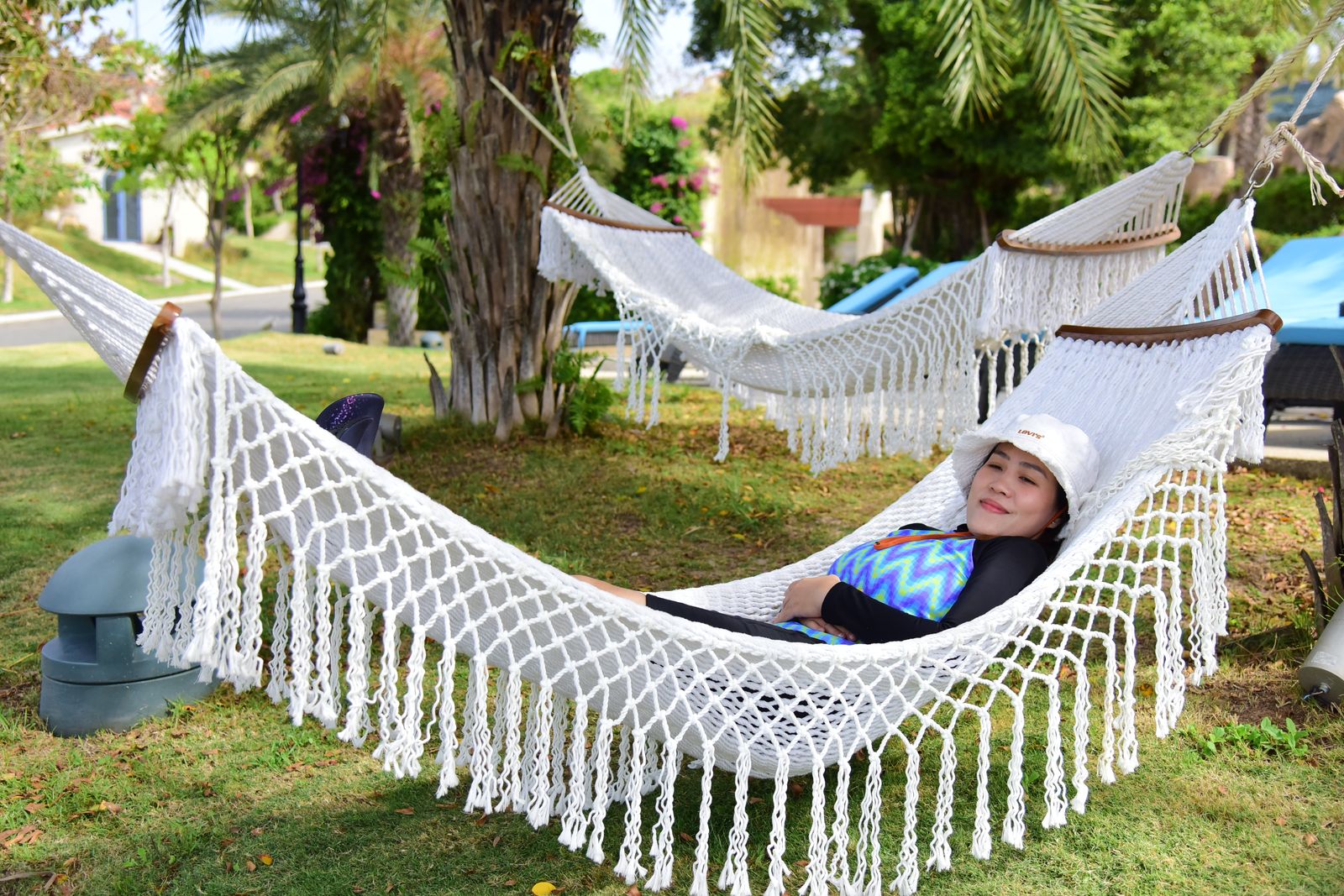
The free afternoon arrives. Nothing is booked, nobody needs you and the weather is fine. Twenty minutes later you're cleaning the oven door, sorting the drawer of old cables or wondering whether the gutters could do with a look.
None of those jobs was urgent an hour ago. They became urgent the moment there was nothing else to do.
The Stoics aren't an obvious source of permission to put your feet up. Marcus Aurelius scolded himself for wanting to stay in bed. But Stoic writers drew a careful line between rest and restlessness, and that line is exactly where a free afternoon tends to go wrong. Here are five lessons from them for actually enjoying one.
1. Notice when you're an ant on a bush
Seneca had a sharp image for the urge to keep moving. In On Peace of Mind (chapter 12), he describes people who wander between houses, theatres and marketplaces, always looking as if they have something to do. They act not on what they have decided to do but on "what has casually fallen in their way," moving "just like ants crawling over bushes, which creep up to the top and then down to the bottom again without gaining anything" (Aubrey Stewart's translation). He called it "a state of restless indolence."
The invented chore usually works the same way. You didn't plan to descale the kettle. Your eye landed on it.
So when you feel yourself getting up to "just quickly" do something, ask one question: did you choose this, or did it simply fall in your way? If it fell in your way and it can wait until tomorrow, let it wait.
2. Don't confuse sitting still with being at leisure
Stopping the chores is only half of it. You can be stretched out on the couch and still be working through a list in your head: the bill to pay, the message to answer, what needs doing before Monday.
Seneca described something related. In On the Shortness of Life (chapter 12), he writes about people who withdraw from society, "in complete solitude," yet "still continue to worry themselves" over things of little importance, such as fussing over a collection of Corinthian bronzes. They had stopped working, but their minds were hardly at leisure. Running through next week's errands from the couch is a modern version of the same thing.
If something appeals to you, such as a novel, a walk with no destination or an album played start to finish, give it your attention without needing to achieve anything. And if nothing appeals, there's no need to fill the silence.
3. Even a well-tended field needs a rest
Seneca didn't think relaxing was beneath serious people. In On Peace of Mind (chapter 17), he points out that Socrates "did not blush to play with little boys," that Cato refreshed himself with wine after the strain of public affairs, and that Scipio danced. Then he makes the case with an image from farming. Fields cropped hard without a break lose their fertility, and minds are the same: they "rise up better and more vigorous after rest."
Seneca recognized that rest helps restore the mind. But you don't have to measure the value of every afternoon by how much more you get done tomorrow. If you wait until every job is finished before taking a break, the break may never come.
The Stoics also kept rest in proportion. Marcus Aurelius, arguing with himself about getting up in the morning, conceded that rest is necessary, then added that "nature has fixed bounds to this too" (Meditations 5.1, George Long's translation). Seneca drew the same line: "There is a great difference between slackening your hold of a thing and letting it go." An afternoon off is slackening your grip. Your responsibilities will still be there at six o'clock.
4. Question the judgment behind the guilt
For many people, the hard part of a free afternoon isn't finding something to do. It's the low hum of guilt that says you're wasting it.
Epictetus would ask you to look at where that feeling comes from. "Men are disturbed not by the things which happen, but by the opinions about the things," runs the fifth section of his Handbook in Long's translation. An empty afternoon is just an afternoon. "I'm being lazy" and "this is time thrown away" are judgments you add to it.
Modern research points in a similar direction. Four studies published in 2021 found that people who regarded leisure as wasteful tended to enjoy it less. In experiments with university students, framing leisure as wasteful or unproductive reduced enjoyment of a funny video. Interestingly, describing leisure as productive didn't improve enjoyment compared with a neutral description. The experiments measured short-term enjoyment, not lasting changes in people's attitudes toward rest.
Perhaps you don't need to make rest sound productive. You just need to question whether it's really wasteful. When the guilt shows up, restate the situation plainly. Not "I'm wasting the whole day," but "it's Saturday afternoon and I'm sitting in the sun." The second version describes what you're doing without automatically judging it.
5. Live this afternoon instead of preparing for the next one
Plenty of invented chores are really about tomorrow: cooking for the week, clearing the inbox before Monday, getting ahead so next week feels lighter. Sometimes that's sensible. But it can quietly turn every free hour into preparation for some later hour you're supposedly going to enjoy.
Seneca saw this as one of the biggest ways people waste their time. "Postponement is the greatest waste of life," he wrote in On the Shortness of Life (chapter 9), because it "takes away the present by promising something hereafter." His conclusion was blunt: "live now straightaway."
That doesn't mean ignoring the week ahead. It means noticing when getting ready has become the only way you know how to spend time, and letting this afternoon count as part of your life rather than a gap between obligations.
What doing nothing means here
The Stoics weren't recommending idleness as a way of life. Seneca's idea of true leisure, set out in On the Shortness of Life (chapter 14), was time given to things worth doing, above all philosophy. What they offer a free afternoon is narrower and more useful: a way to tell real rest from restless motion, and good reasons to let the first one happen.
Next time an afternoon opens up, leave one non-urgent chore undone on purpose. Do something you enjoy, or simply sit for a while. If something genuinely needs doing, do it and come back. The afternoon is still yours.
For the longer view of living at a gentler pace, see The art of slowing down: 8 Stoic lessons for living at your own pace after 60.