
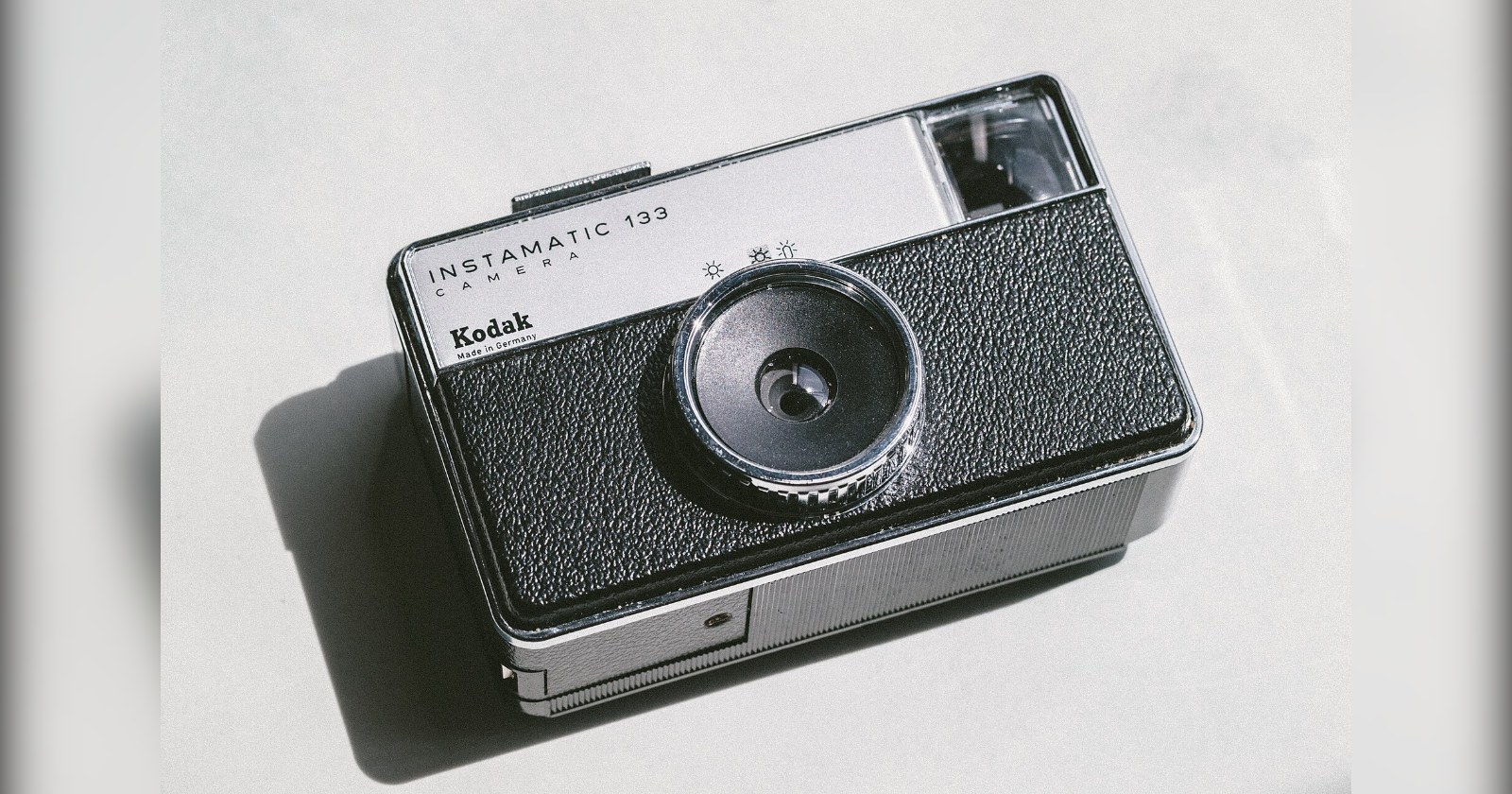
You dropped the roll off at the drugstore counter, and then you waited. Several days later you came back for a paper envelope, and often you opened it right there in the parking lot. Half the pictures were blurry, someone's eyes were shut, and there was a thumb in the corner of the birthday-cake shot. You couldn't take any of them again.
That small wait could be practice for two words the Stoic philosopher Epictetus thought mattered more than any others. The Roman writer Aulus Gellius heard about them from his teacher Favorinus and recorded them in Attic Nights (17.19). The worst faults of all, Epictetus said, were not being able to bear the wrongs we ought to endure, and not being able to hold back from what we ought to refuse. Anyone who took two words to heart, he said, "will be almost without sin and will lead a very peaceful life." The words were anechou and apechou, which John C. Rolfe's translation gives as "bear" and "forbear."
Bearing means putting up with what you can't change. Forbearing means holding back from what you shouldn't grab. A childhood without instant everything gave a great many people steady practice at both. Here are seven strengths that kind of practice can build, each matched to a passage the Stoics left behind.
1. Letting good things take their time
The photo counter ran on its own schedule. Nothing you did would bring the prints back faster, so sooner or later you stopped asking.
Epictetus once spoke with a man who wanted to stay calm even while his brother stayed angry with him. He told him not to expect that quickly. "Nothing great," he said, "is produced suddenly, since not even the grape or the fig is." If you asked him for a fig right now, he'd tell you it needed time: "let it flower first, then put forth fruit, and then ripen" (Discourses 1.15, George Long's translation).
He meant character, which ripens even more slowly than fruit. But the photo counter taught a small version of the same lesson to anyone who used it: drop the roll off, get on with the week, and let the prints arrive when they arrive.
2. Making peace with the shot you got
"Don't demand that things happen as you wish, but wish that they happen as they do happen, and you will go on well." That line from the Enchiridion, the short handbook of Epictetus's teaching (chapter 8), could have been printed on the back of every photo envelope.
Once the envelope was open, there were no retakes. The crooked group shot from the reunion became the photo of the reunion, and families framed it anyway.
You could still hold the camera steadier next time. What Epictetus rules out is the long argument with something that has already happened. And sometimes the blurry print of a parent who is gone now turns out to be the one you treasure most.
3. Saving your shots for what matters
A roll held a fixed number of pictures, often a dozen or 20, and every click used one up. Nobody photographed their lunch. You saved the frames for the candles, the cap and gown, the new baby.
That is the forbear half of the pair. In Gellius's account, the second of the two faults Epictetus warned against was failing to "restrain ourselves from actions or pleasures from which we ought to refrain." A short roll made no one virtuous, though it did build a reflex: before you pressed the button, you asked whether this one mattered.
The reflex is worth keeping long after the film is gone. Passing on the extra purchase, the second helping or the commitment you'll come to resent leaves room for the things you would miss.
4. Sleeping on a reply
Epictetus thought the moment right after a provocation was the one to watch. "When, therefore, anyone provokes you, be assured that it is your own opinion which provokes you," he says in Enchiridion 20. "Try, therefore, in the first place, not to be hurried away with the appearance. For if you once gain time and respite, you will more easily command yourself."
For decades, the mail built that respite in. Long-distance calls were expensive, so a lot of news, good and bad, arrived by letter. If a letter stung, you couldn't answer it in the next 30 seconds. By the time you'd found paper, a stamp and the right words, the first heat had usually cooled.
A text can be answered before the feeling has finished arriving. Writing the reply and leaving it unsent until morning brings back some of the distance the post office used to provide.
5. Putting up with the people you share things with
Many households had one telephone, often fixed to the kitchen or hallway wall, and in some rural areas several families shared a single party line. You might pick up the receiver, find a neighbour mid-conversation, set it down quietly and try again later. Teenagers learned to wait their turn, and to keep their voices down.
Living that close to other people's needs is daily practice in bearing. Marcus Aurelius came to Epictetus through a teacher. In the first book of his Meditations, the emperor thanks Rusticus for introducing him to the discourses of Epictetus.
Later in those private notes, Marcus asks what is enough while he waits for the end. Part of his answer is "to do good to men, and to practise tolerance and self-restraint" (Meditations 5.33, George Long's translation). In his Greek, those are the same two verbs Gellius reports, and the first reads literally as "bear with them," meaning other people.
That kind of tolerance leaves plenty of room for disagreement. It simply accepts that others take up space, talk too long and want the phone at the same moment you do.
6. Wanting something without grabbing it
Before most families carried credit cards, a winter coat or a bicycle might go on layaway. You paid a little each week, the store kept the item in the back, and it came home once it was paid off. Some children saved their allowance for months toward one thing circled in a catalogue.
Epictetus recommended building that gap on purpose. "If you are struck by the appearance of any promised pleasure, guard yourself against being hurried away by it; but let the affair wait your leisure, and procure yourself some delay" (Enchiridion 34). Use the pause, he says, to picture two moments: enjoying the thing, and reproaching yourself after you have enjoyed it. Then picture how glad you'll be if you hold off. Weeks of layaway did much the same job, giving judgement time to catch up with appetite.
7. Bearing the uncomfortable parts of a good thing
Plenty of family cars had no air conditioning. The summer drive to the lake or the grandparents' house meant hot vinyl seats, windows down, a sibling's elbow and nothing to look at but the road. Everyone went anyway, because the lake was worth it.
Epictetus used much the same picture. Crowds travelled to Olympia to see the work of the sculptor Phidias, he said, and put up with the sun, the crush, the poor bathing and the rain. "But I suppose that setting all these things off against the magnificence of the spectacle, you bear and endure" (Discourses 1.6, Long's translation).
Then he turned the question on his listeners: "have you not received faculties by which you will be able to bear all that happens?" His own answer was yes. For him, bearing began with weighing the discomfort honestly against what it was for, then remembering you had been given the means to carry it. It's the same trade many grandparents make today on a long flight to see the grandchildren.
What the old photo envelope can't prove
The title's claim is a way of reading the past, not a research finding. No study we know of shows that waiting for prints made a generation more patient, and plenty of those who grew up with film are as quick to snap as anyone. Nostalgia also edits. The slow, shared, expensive world of the 1960s and 70s was hard on people in ways that built nothing at all.
The quotation has its own limits. The two-word saying doesn't appear in the Discourses or the Enchiridion as we have them. It survives through Gellius, who heard it from Favorinus, who credited it to Epictetus, so it reaches us at least third-hand. Marcus Aurelius uses the same two verbs, but Rolfe notes the pair was a stock formula in Greek, so the echo may be shared idiom rather than confirmation.
And Epictetus wasn't writing about convenience. His "bear" covered wrongs and hardships, and his "forbear" covered pleasures and actions a person ought to refuse. Slow film and shared phones were simply places where a generation got frequent, low-stakes practice at both, and that practice can still be had on purpose.
A small place to start
PB's earlier piece on being told to go outside and find something to do covers the Seneca side of the same childhood: boredom, making do and doing without. This one asks for something smaller.
Pick one thing this week that you'd normally get instantly, and put a deliberate wait in front of it. Leave a message unanswered until morning, or a purchase in the basket for three days. Anyone who grew up with the photo envelope already knows how, and the habit may still be there, waiting to be picked up again.