Lives & Ideas The trolley problem began in Philippa Foot's 1967 paper, with a runaway tram that could be steered toward one man instead of five. MIT's Moral Machine put it to driverless cars and logged about 40 million decisions in 233 countries and territories. By Justin Brown · October 14, 2026
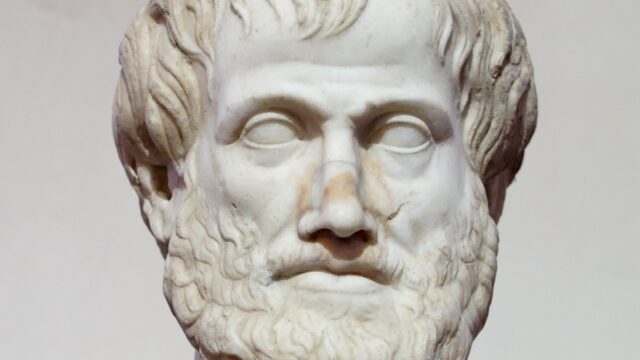
The Good Life Aristotle warned that a long silence seems to make friends forget their friendship, but research suggests the friend on the other end would be happier to hear from you than you think By Chris Jeremia · October 14, 2026
Human Nature Montaigne argued that humans are far too sure of their superiority over animals, and he admitted that when he played with his cat, he couldn’t tell whether he was amusing her or she was amusing herself with him By Brendan Brown · October 14, 2026
The Good Life Charles Darwin made a list of pros and cons before proposing to his cousin Emma, fretting that a wife would mean less money for books, and on the pro side he wrote that a constant companion was better than a dog anyhow By Brendan Brown · October 14, 2026
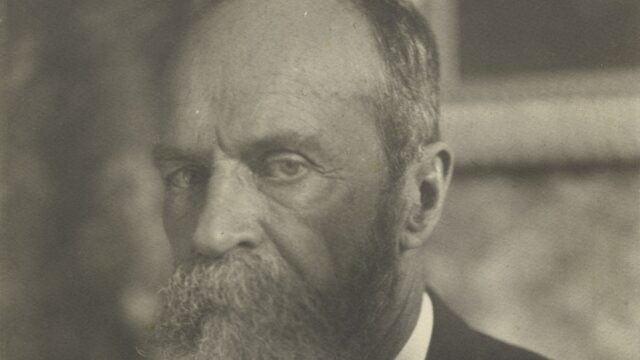
Human Nature William James wrote in 1890 that in most of us the character has set like plaster by thirty. A 2003 study of 132,515 adults found conscientiousness and agreeableness still rising. By Justin Brown · October 13, 2026
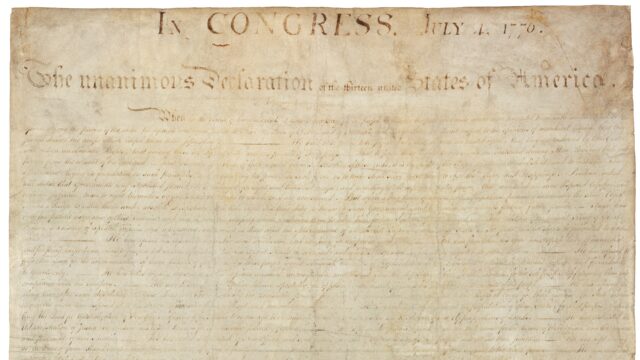
The Good Life The Declaration of Independence of 1776 made the pursuit of happiness a right, and Mill's Autobiography of 1873 says the pursuit is self-defeating, since those only are happy who have their minds fixed on some object other than their own happiness. By Justin Brown · October 13, 2026